computer scrap are most common
With the rapid advancement of technology, millions of computers become obsolete every year, contributing to a growing amount of computer scrap. Discarded computers and electronic devices contain valuable materials that can be recycled or resold. Understanding the most common types of computer scrap helps individuals and businesses identify which components hold the most value and how they can be properly processed.
One of the most valuable and frequently found types of computer scrap is circuit boards. These boards contain precious metals such as gold, silver, and palladium, which are used in connectors and microchips due to their excellent conductivity. High-grade circuit boards, found in servers and advanced computing systems, contain more valuable materials compared to standard desktop computers. Because of their metal content, circuit boards are highly sought after in the recycling industry.
Another common type of computer scrap is processors (CPUs). Central Processing Units (CPUs) are one of the most profitable components in electronic scrap recycling. Older CPUs, especially those from the 1990s and early 2000s, contain a significant amount of gold plating, making them valuable for metal recovery. Many recyclers and collectors purchase used or damaged CPUs to extract gold and other valuable elements.
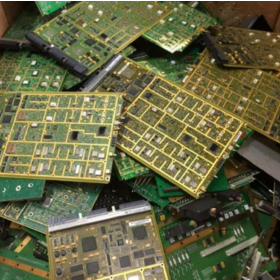
What types of computer scrap are most common?
RAM (Random Access Memory) sticks are another frequently discarded type of computer scrap. While small in size, RAM modules contain gold-plated connectors and valuable semiconductor materials. Recyclers collect large quantities of RAM sticks to extract these materials, making them a desirable item in the computer scrap market. Functional RAM modules can also be refurbished and resold, providing an additional revenue stream.
Hard drives and storage devices are also commonly found in computer scrap. These components contain aluminum, rare earth magnets, and circuit boards with small amounts of precious metals. Hard drives can be shredded and processed to recover valuable materials. Additionally, some recyclers refurbish and resell working hard drives, making them a profitable item in the second-hand electronics market.
Power supplies and cables contribute significantly to computer scrap. Power supply units contain copper wiring, aluminum heat sinks, and transformers, all of which are valuable in the scrap metal industry. Cables, such as HDMI, USB, and Ethernet cords, are rich in copper, which is in high demand for recycling. Many scrap dealers accept bulk quantities of power supplies and cables due to the high metal content they contain.
For those looking to sell or buy computer scrap, B2B platforms like Global Sources provide an efficient marketplace. This platform connects buyers with verified wholesalers and manufacturers from China, India, Korea, and other countries, allowing them to compare prices, check minimum order quantities (MOQs), and strike deals with trusted suppliers. Businesses and individuals dealing with bulk computer scrap can use this platform to maximize their profits while ensuring responsible recycling.
As the demand for electronic recycling grows, recognizing and sorting different types of computer scrap can help maximize financial returns and support sustainability. Whether recycling old circuit boards, CPUs, RAM, or hard drives, proper handling of computer scrap ensures valuable resources are recovered while reducing environmental impact. By leveraging platforms like Global Sources, individuals and businesses can efficiently trade and recycle electronic waste in a responsible and profitable manner.
